Wave soldering nozzle cleaning methods
How to Clean and Maintain Selective Wave Soldering Nozzles for Longevity and Performance
Proven methods to remove tin slag, restore oxidation, and extend nozzle life
Introduction
Selective wave soldering nozzles are at the heart of precise soldering in electronics manufacturing. Proper cleaning and maintenance not only ensure consistent joint quality but also extend nozzle life and reduce downtime. In this article, we share a practical cleaning approach using cleaning solutions, followed by safe heating, to remove residues and restore nozzle surfaces. This method is suitable for manufacturers looking to improve reliability and reduce maintenance costs.
Why wave soldering nozzle cleanliness matters
- Consistent solder results: Residue and tin slag can affect wave stability and solder transfer.
- Oxidation control: Surface oxidation can hinder wetting, leading to cold joints or poor fillets.
- Longevity: Regular, safe cleaning reduces wear and tear, protecting your investment.
A practical wave soldering nozzle cleaning method
Note: Always follow your equipment manufacturer’s safety guidelines and local regulations when handling cleaning chemicals and heated operations.
What you’ll need
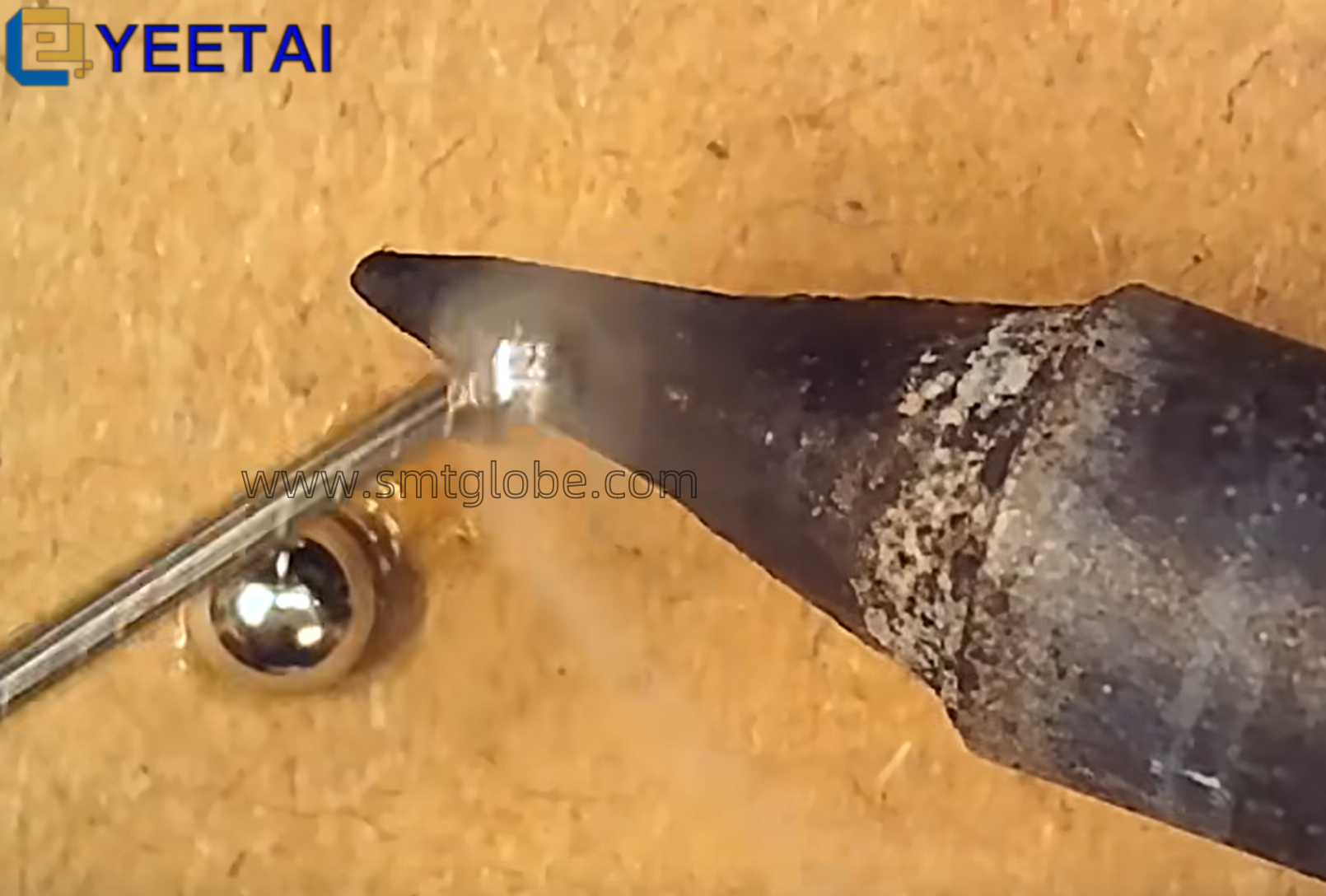
- A selective wave soldering nozzle from your line (example: YEETAI nozzle)
- Appropriate cleaning solution designed for selective wave soldering nozzles
- Clean waste liquid container
- Heat source suitable for industrial use (alarm-equipped or temperature-controlled option recommended)
- Personal protective equipment (PPE): safety glasses, heat-resistant gloves, lab coat
Step-by-step process
- Apply cleaning solution
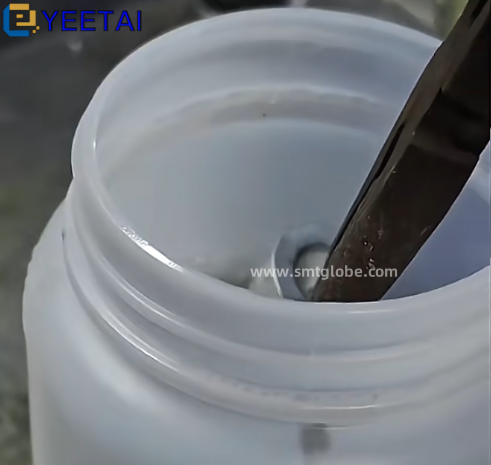
- Drip or dispense the cleaning solution into the nozzle interior, ensuring contact with all interior surfaces where tin slag accumulates.
- Purpose: Loosen and dissolve stubborn residues for easier removal.
- Collect waste liquid
- Carefully pour the used cleaning solution into a dedicated waste liquid beaker.
- Do not reuse dirty solution for additional cleaning cycles unless specified by the cleaner manufacturer.
- Heat the nozzle safely
- Using a suitable heat source, aim the heat at the nozzle and raise the temperature to about 120°C (248°F).
- Rationale: Gentle heating helps loosen oxide layers and residues without damaging the nozzle materials.
- Rinse or re-treat as needed
- After heating, re-check for residue. If necessary, repeat the cleaning cycle with fresh cleaning solution.
- Final rinse: Use an approved rinse solvent if required by your process to remove any remaining cleaning agent.
Optional finishing step: solvent wash
- For enhanced cleanliness, a final cleanse with a solvent like xylene (or an alternative approved by your process) can be used.
- Ensure adequate ventilation and proper disposal of solvent waste following safety guidelines.

Safety considerations
- Always verify compatibility: Ensure the cleaning solution and solvents are compatible with your nozzle material and seals.
- Manage heat safely: Use temperature control and avoid overheating, which can damage the nozzle.
- Ventilation and disposal: Work in a well-ventilated area and follow local disposal regulations for chemical waste.
- PPE: Wear appropriate PPE at all times during cleaning and heating.
Results you can expect
- Cleaner nozzle interior and exterior surfaces
- Reduced oxidation on tin surfaces, improving wettability
- Improved solder joint consistency and reduced the risk of defects
- Extended nozzle service life with routine maintenance
Tips from industry practice
- Document every maintenance cycle: Track cleaning dates, residues observed, and any adjustments made.
- Inspect seals and connections: After cleaning, check gaskets, O-rings, and fittings for signs of wear.
- Calibrate your process: Ensure that the cleaning temperature and dwell time remain within manufacturer specifications for your nozzle model.
About YEETAI
YEETAI has years of experience producing selective wave soldering nozzles. Our team is dedicated to helping manufacturers achieve better reliability, longer nozzle life, and superior soldering quality through proven cleaning and maintenance practices.
If you’re looking to optimize your selective wave soldering workflow, contact YEETAI for expert guidance, compatible cleaning solutions, and nozzle maintenance recommendations. Subscribe to our blog for more best practices, case studies, and industry insights. Reach out via info@smtglobe.com, and request a consultation to tailor a cleaning and maintenance plan to your production line.
114611 Nozzle (4.0/8.0,H47,B22)
114609 Nozzle (3.0/6.0,H47,B22)
114613 Nozzle (6.0/10.0,H47,B22)
118615 Nozzle (8.0/12.0,H47,B22)